
Discover How Films on Windows Deflect Heat
On a hot day, stepping into a car that’s been sitting under the sun can feel like entering an oven. This intense heat is not just uncomfortable; it can affect your vehicle’s interior and your driving experience. Understanding how window films help reduce this heat is crucial. By exploring the science behind these films, you can make informed decisions that enhance comfort and protect your car.
How Sunlight Affects Your Vehicle
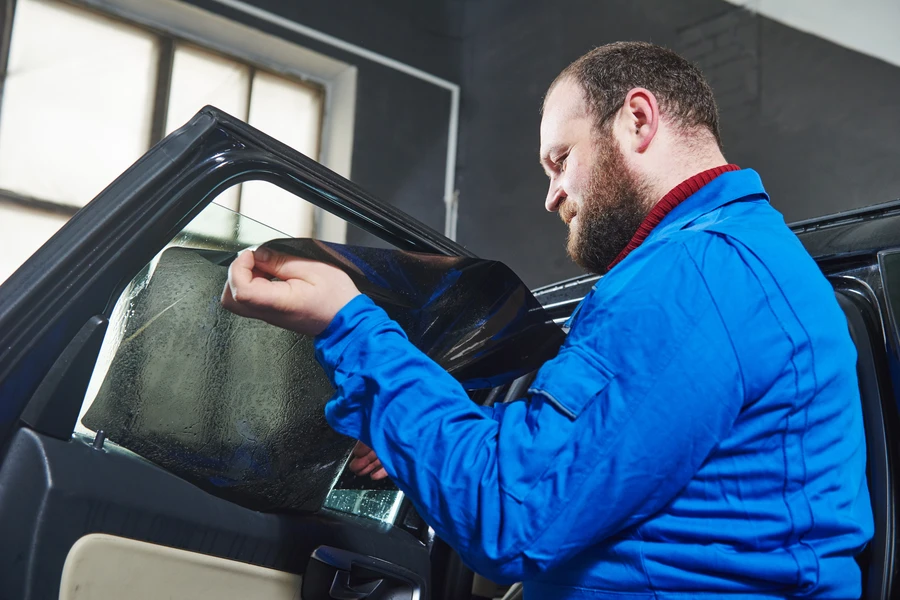
Sunlight consists of visible light, ultraviolet (UV) rays, and infrared radiation. Each component plays a role in heating the inside of a car. When sunlight enters through car windows, it gets absorbed by the seats, dashboard, and other interiors, which then re-radiate the heat. This results in a hotter cabin temperature.
The Role of Infrared Radiation
Infrared radiation is a significant contributor to heat buildup in vehicles. It’s responsible for most of the heat felt when sunlight passes through untreated windows. A good quality film can block up to 80% of this radiation, making a huge difference in comfort levels.
How Film Blocks UV Rays
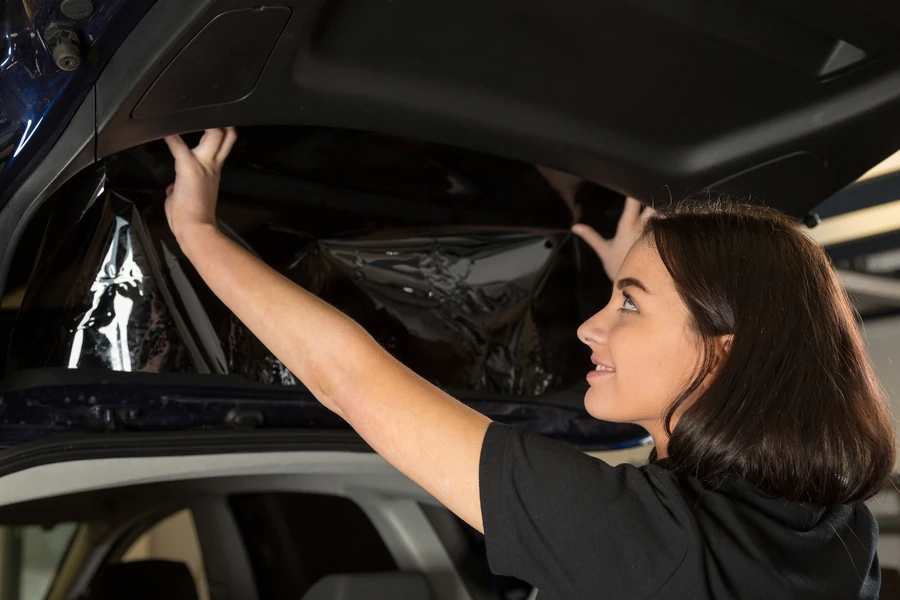
The films used in car window tinting are designed to block UV rays, which are harmful to both skin and interior materials. By filtering out about 99% of these rays, the films prevent fading and cracking of your car’s interior while also protecting your skin from sun damage.
Understanding Heat Rejection Technology
Car window tinting technology has evolved significantly. Modern films use advanced materials such as ceramics or metallic particles to reflect heat away from the glass surface. These materials effectively deflect both infrared and UV rays while allowing some visible light to pass through, ensuring clear visibility.
Benefits of Using Window Films
- Improved comfort inside the vehicle
- Protection of interior components from fading
- Reduced glare while driving
- Increased fuel efficiency due to less reliance on air conditioning
- Enhanced privacy and security
Challenges With Film Application
Applying window film might seem simple, but there are challenges involved. If not installed correctly, bubbles and peeling can occur over time. Moreover, incorrect application might lead to uneven appearance or reduced effectiveness in blocking heat and UV rays.
Choosing the Right Film for Your Needs
Selecting the right film involves considering factors like climate, budget, and personal preferences. Some films offer higher heat rejection rates but may cost more upfront. Others might prioritize privacy or aesthetics. Consulting with a professional can help you balance these aspects and choose wisely.
Best Practices for Maintaining Window Films
Caring for your tinted windows ensures they remain effective for years. Clean them with non-abrasive solutions and soft cloths to avoid scratches. Also, be mindful of sharp objects inside your vehicle that could potentially damage the film.
Cost Considerations of Window Films
The cost of window films varies widely based on material quality and installation complexity. Higher-end options might involve an initial investment but often provide better long-term value through durability and enhanced performance.
Expert Advice on Maximizing Effectiveness
- Consult with professionals for installation to ensure precision.
- Select high-quality films tailored to your needs and environment.
- Regularly inspect your films for signs of wear or damage.
- Keep documentation of product warranties for future reference.
Your Trusted Source for Window Film Solutions
If you’re looking to improve your vehicle’s comfort, consider investing in quality window films. Located in Grandville, MI, we provide comprehensive services tailored to meet your specific needs. Signs & Window Tinting of Grandville specializes in delivering expert installations that stand the test of time. Call us today at (616) 221-8060 for a consultation and discover how we can help you drive comfortably all year round.